
Industrial Powder Coating vs. Industrial Liquid Paint for Florida Heavy Equipment
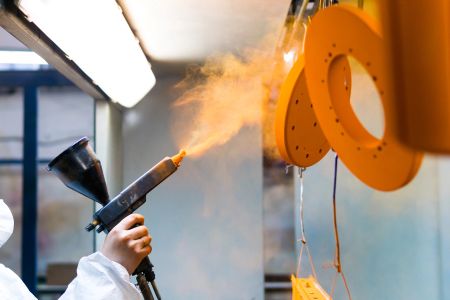
Florida’s humid air, salt exposure, and sudden downpours are tough on loaders, trailers, and structural steel. If you manage a fleet or plant equipment, choosing the right finish is a big deal. This guide compares baked powder coat systems to air-dry industrial paints with a focus on impact resistance, mil thickness, chemical durability, and real Florida conditions. If you are weighing options right now, you can explore our powder coating service to see how a baked film can change long-term results.
Why Florida’s Climate Punishes Finishes
Moisture and heat speed up corrosion. Coastal breeze moves salt far inland, and afternoon storms push water into seams and bolt pockets. Forks scrape decks, chains nick rails, and gravel bounces off steps on every job site. A finish that survives here needs strong edge coverage, enough dry film thickness, and a tough cured network that can absorb hits without cracking.
Side‑By‑Side: Powder Coating vs. Industrial Liquid Paint
- Impact resistance: Baked thermoset powders build a crosslinked film that resists chipping during transport and daily work. Air-dry paints can be flexible but often chip sooner on sharp edges.
- Mil thickness: Single-coat powder commonly builds 3–5 mils. Liquid topcoats are often 2–3 mils per coat and need multi-coat systems to match total thickness.
- Edge coverage: Electrostatic wrap helps powder lay on corners and welds, where liquids tend to pull thin.
- Chemical durability: Properly cured powder stands up well to hydraulic fluid, diesel mist, fertilizers, and cleaners. Liquids vary by resin type and usually need more coats for similar resistance.
- Environmental profile: Powder has zero VOC emissions at application. Many liquid systems rely on solvents that vent to air.
Mil Thickness That Holds Up On Job Sites
In Florida, fast rust often starts where paint is thin. Powder builds an even film that helps shield steel from the first nick to the last load of the day. Typical single-coat powder finishes land around 3–5 mils, and multi-coat powder systems can reach higher totals when a primer layer is added. By comparison, an air-dry industrial topcoat at 2–3 mils may need additional primer or intermediate coats to hit the same thickness, which adds steps and cure time.
Thickness alone is not the whole story. Uniform coverage is what protects bolt heads, channel edges, and gussets. Because powder is charged, it naturally reaches around corners better than many liquids, reducing the thin spots that become rust halos after the first rainy week.
Impact and Chip Resistance During Transit and Heavy Use
Heavy equipment in Florida moves a lot. Tools rattle in service bodies. Tie-downs slap powder-coated rails on I‑4 and US‑98. The crosslinked powder film creates a tough, slightly elastic shell that helps absorb small hits without cracking. That translates to fewer touch-ups after hauling and fewer rust starters at stone-chip points. Air-dry paints can perform well in multi-coat builds, but single-coat liquid systems usually chip faster on steps, edges, and hitch plates.
Chemical and Corrosion Resistance for Coastal and Inland Work
From Miami-Dade yards to Panhandle farms, chemicals are part of daily operations. Hydraulic oil, DEF, degreasers, and fertilizer overspray all test a coating. Properly selected and cured powder chemistry resists many of these exposures, and the higher, more even mil build slows water intrusion at scratches. Liquid paints can be tailored with urethane or epoxy chemistry, yet they often rely on more coats to reach similar barrier protection. Less film variation around edges and welds also helps powder hold up longer in salty air that drifts far inland.
Surface Preparation and Profile Standards That Protect Your Investment
Long-term performance starts with clean steel. For heavy equipment and structural parts, aim for a near-white blast to SSPC‑SP 10 with an anchor profile around 2.0–3.0 mils for common carbon steel. Remove salts and oils, then check for a water-break-free surface before coating. Outgas-prone castings or galvanized items benefit from a pre-bake to drive off trapped moisture. Tight seams should be sealed or designed to allow coating flow so water cannot sit in gaps.
- Specify a consistent blast profile and document it, especially on replacement parts mixed with older steel.
- Mask critical fits and threads to avoid film build issues, then verify with dry film readings after cure.
Do not skip blast profiling on refurbished equipment. A smooth or contaminated surface is the fastest path to early failure, no matter how good the topcoat chemistry may be.
Curing Ovens, Temperatures, and Practical Size Limits
Powder must be heated so the metal reaches the cure temperature long enough for the resin to crosslink. Many industrial powders cure around 350–400°F at metal temperature, commonly 10–20 minutes after the part gets to temp. Thicker steel needs more dwell to soak heat evenly. Heat-sensitive items such as certain seals, electronics, and pre-greased bearings should be removed before coating.
Component size is limited by the shop’s oven and booth. Typical batch ovens in regional facilities handle sizeable frames and racks, but maximum height, width, length, and weight vary. Before you schedule work, confirm rack points, part orientation, and clearance. A quick fit check avoids hanging changes that can leave shadowed areas with thin film.
Always verify part size and weight against the shop’s handling gear. Good planning keeps edges fully coated and prevents touch-ups that can weaken the system.
Local insight: Florida afternoons bring fast humidity spikes. Plan delivery and loading early in the day so blasted steel does not flash rust before coating. Powder cures inside the oven independent of outdoor humidity, but keeping parts clean and dry between prep and cure makes a big difference.
When Industrial Liquid Paint Still Makes Sense In Florida
There are times when liquid is the practical choice. Very large or fixed structures that cannot fit in an oven, heat-sensitive assemblies that cannot be stripped, and urgent field touch-ups all point to liquid systems. If you are comparing options for these cases, explore our industrial painting page to understand how shop-applied or field-applied coatings can be staged for weather windows and cure times.
Edge Coverage and Tight Geometry On Structural Steel
Powder has a natural advantage on edges, perforated panels, and ladder rungs. The electrostatic wrap helps build a more even film where liquids tend to recede. For gussets, laser-cut edges, and weld toes, that extra coverage closes off micro-crevices where salt and grime collect. On complex parts, smart racking helps too. Position parts so airflow reaches deep pockets, and avoid metal-to-metal contact that blocks powder and creates bare arcs.
Real-World Planning For Florida Fleets
Choose based on workload, downtime windows, and environment. Construction fleets in Tampa Bay or along the Treasure Coast see more salt and sand than inland warehouses, so a baked powder system with solid mil build is a strong baseline. Distribution centers around Orlando may benefit from powder for carts and racks that take constant hits on docks. Agricultural equipment in the Suwannee region endures fertilizer and water exposure that also favor powder’s barrier properties.
When you are weighing brand, chemistry, and schedule, start with goals for thickness, impact resistance, and prep. Then match the process to part size and geometry. If you want a quick overview of the benefits, see how industrial powder coating Florida supports durability while letting you plan maintenance around production, not the other way around.
Clear Guidelines You Can Use Today
Here is a quick checklist you can bring to your next planning meeting with your fabricator or maintenance lead:
- Target a near-white blast to SSPC‑SP 10 with a 2.0–3.0 mil profile on carbon steel.
- Confirm powder cure schedule around 350–400°F at part metal temperature with adequate dwell time.
- Map max part size, weight, and hanging points to maintain clear spray access and air flow.
- Define minimum dry film thickness by area, especially edges, bolt heads, and welds.
- Set expectations for chemical exposure and cleaning routines so the right powder chemistry is selected.
Document the plan and measure results. Dry film readings, adhesion tests, and visual standards make future repairs faster and more predictable.
Get a Durable Finish Built for Florida
Whether you run a busy yard or a coastal plant, a baked powder system can help your equipment look sharp and last longer. Partner with Bespoke Coating Solutions to set the right surface prep, film build, and cure schedule for your parts. If you are ready to move ahead, review our process and capabilities on the powder coating service page, then call 239-744-2006 to schedule your project or request a site visit. We are here to help you stop fighting rust and keep your fleet working strong in the Florida climate.